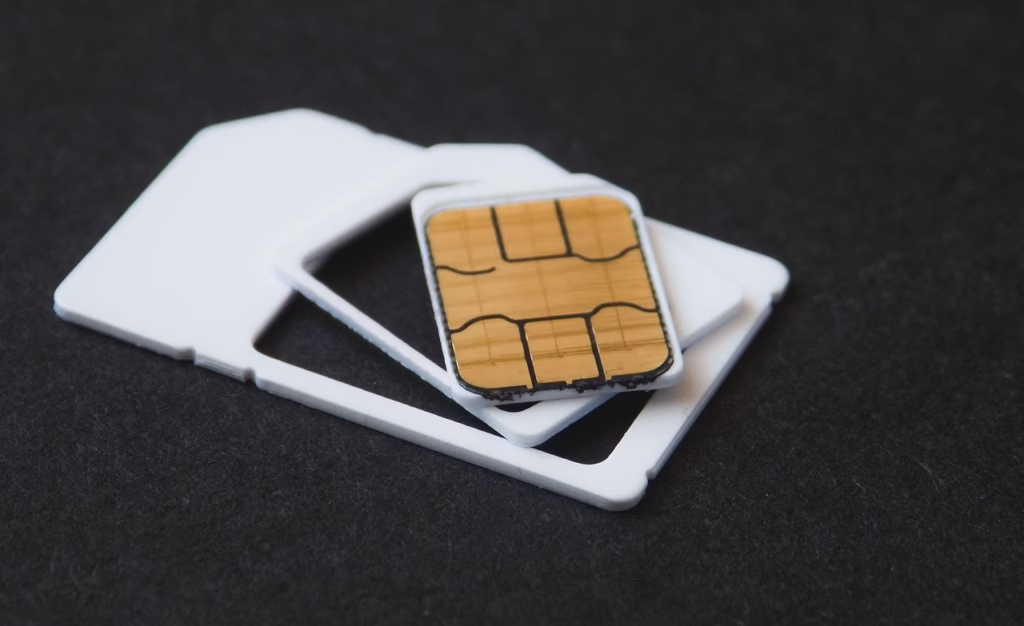
How to Choose the Best Prepaid SIM Card for Your Travel Needs. Staying connected while traveling has become more important than ever. Whether you’re navigating unfamiliar streets, booking transportation, sharing your experiences on social media, or keeping in touch with family and friends, having reliable mobile service can make your journey smoother and more enjoyable. One of the most convenient and affordable ways to stay connected abroad is by using a prepaid SIM card.
However, with so many providers, plans, and features available, choosing the right prepaid SIM card can feel overwhelming. This guide will help you understand what to look for and how to select the best option for your travel needs.
Understanding Your Connectivity Needs
Before purchasing a prepaid SIM card, it’s essential to assess how you plan to use your mobile service during your trip. Different travelers have different connectivity requirements, and understanding your needs will help you avoid overspending or running out of data unexpectedly.
Determine Your Data Usage
Think about how often you’ll use mobile data. Ask yourself the following questions:
- Will you rely heavily on navigation apps such as Google Maps?
- Do you plan to upload photos and videos to social media regularly?
- Will you stream music or watch videos while traveling?
- Do you need internet access for remote work or video conferencing?
Light users who mainly use messaging apps and occasional browsing may only require a few gigabytes of data. In contrast, digital nomads and frequent content creators may benefit from larger data allowances or unlimited plans.
Consider Call and Text Requirements
Although messaging apps have reduced the need for traditional calls and texts, some travelers still need them for:
- Contacting local businesses and accommodations
- Making emergency calls
- Receiving verification codes from banks or online services
If these features are important, look for prepaid SIM cards that include local calling minutes and SMS allowances.
Evaluate Trip Duration
The length of your trip also influences the ideal prepaid plan. Weekend travelers may prefer short-term tourist SIM packages, while long-term visitors should consider monthly prepaid options that offer better value.
Comparing Prepaid SIM Card Options
Once you understand your requirements, it’s time to compare the available prepaid SIM card options.
Local Prepaid SIM Cards
Mobile network operators issue local SIM cards in your destination country. They often provide the most competitive rates and strong domestic coverage.
Advantages:
- Lower data costs
- Better local network performance
- Access to local promotions and packages
Disadvantages:
- May require registration or identification
- Need to purchase after arrival
- Activation procedures vary by country
International Travel SIM Cards
International SIM cards are designed for travelers visiting multiple countries.
Advantages:
- Coverage across several destinations
- Single SIM for multi-country trips
- Convenient pre-trip purchase
Disadvantages:
- Higher rates compared to local SIM cards
- Data allowances may be limited
- Coverage quality can vary by partner networks
eSIM Options
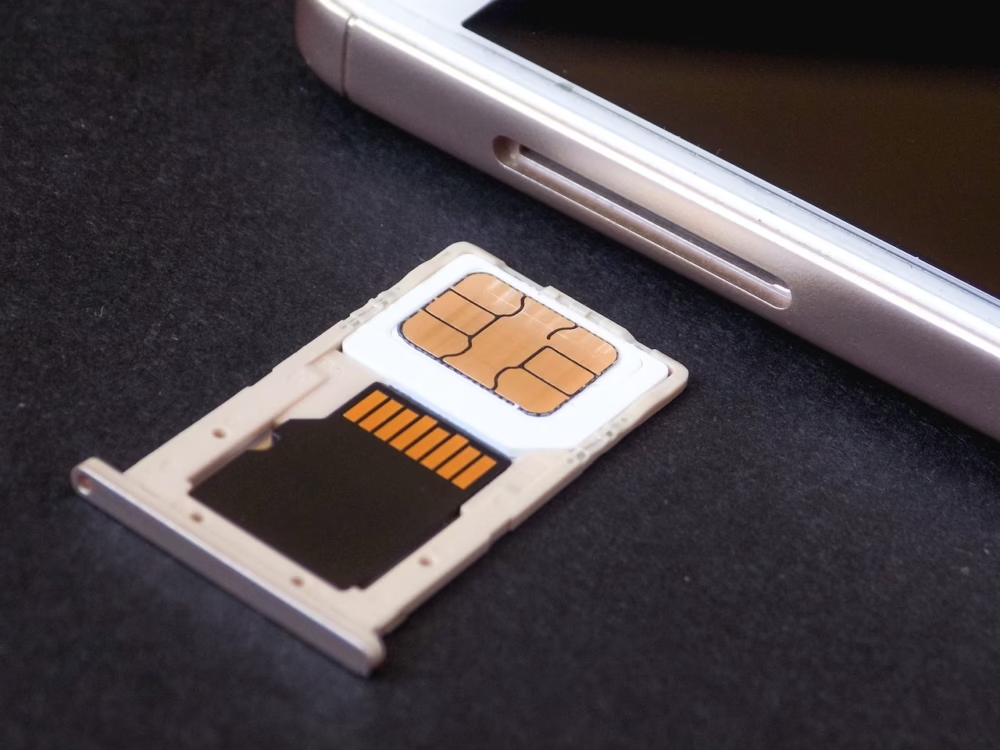
Many modern smartphones support eSIM technology, allowing travelers to activate mobile plans digitally without inserting a physical SIM card.
Advantages:
- Instant activation
- No need to swap physical SIMs
- Ability to keep your primary number active
Disadvantages:
- Not all devices support eSIM
- Some destinations have limited eSIM offerings
- Setup procedures may differ among providers
Compare Network Coverage
Price isn’t everything. Always check the provider’s coverage map and network quality, especially if you plan to visit rural areas, islands, or mountainous regions where signal strength may vary significantly.
Activation and Setup Process
A smooth activation process can save valuable time and reduce stress after arriving at your destination.
Verify Device Compatibility
Before purchasing a prepaid SIM card:
- Ensure your phone is unlocked.
- Confirm that it supports the frequency bands used in your destination country.
- Check whether your device is compatible with eSIM if you intend to use one.
Understand Registration Requirements
Many countries require travelers to register prepaid SIM cards using a passport or other official identification. Some destinations also collect biometric information as part of the registration process.
Research these requirements in advance to avoid delays.
Follow Activation Instructions Carefully
Activation methods typically include:
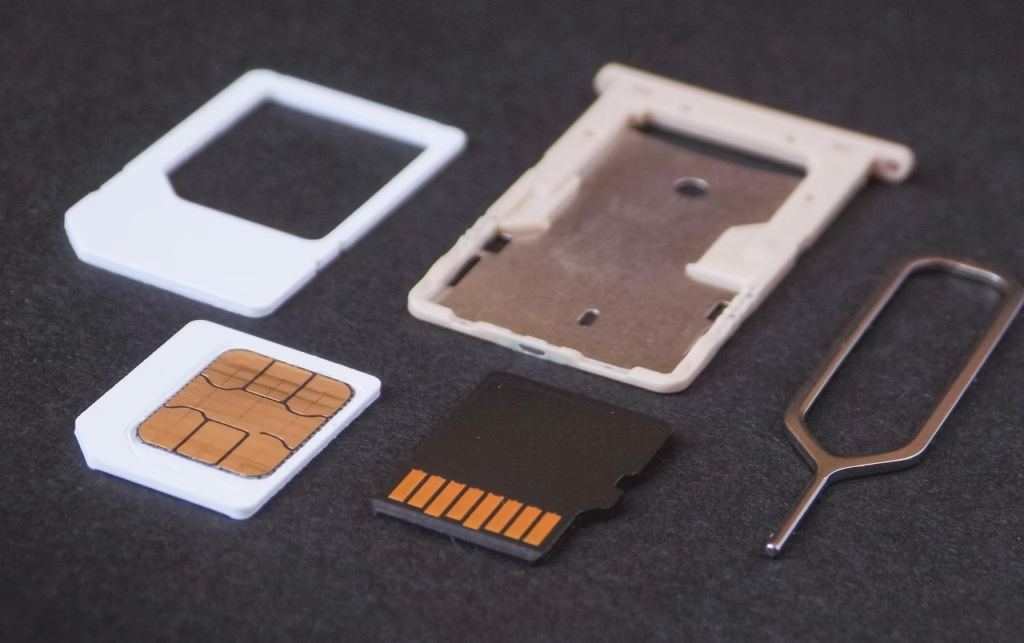
- Inserting the SIM card and restarting your device
- Dialing a specific activation code
- Downloading the provider’s mobile app
- Scanning a QR code for eSIM installation
Keep the packaging and activation instructions until the service is fully operational.
Test Your Connection
After activation, verify that:
- Mobile data is working correctly
- Calls and text messages function properly
- The correct Access Point Name (APN) settings are applied if required
Resolving issues immediately can prevent inconvenience later in your trip.
Cost-Effective Options and Tips
Travel expenses add up quickly, making it important to maximize the value of your prepaid SIM card.
Estimate Your Needs Accurately
Avoid paying for unlimited data if your usage is minimal. Similarly, don’t choose a tiny package if you anticipate heavy usage. Selecting a plan aligned with your habits can significantly reduce costs.
Use Wi-Fi Strategically
Take advantage of secure Wi-Fi connections available at:
- Hotels
- Cafés
- Airports
- Public transportation hubs
Downloading maps, videos, and large files over Wi-Fi helps conserve mobile data.
Monitor Your Usage
Many providers offer apps or USSD codes that allow you to track:
- Remaining data balance
- Validity period
- Top-up history
- Promotional offers
Monitoring your consumption helps prevent unexpected interruptions.
Top Up When Necessary
If your plan runs low, top-ups are often available through:
- Convenience stores
- Mobile operator shops
- Online payment portals
- Provider mobile applications
Knowing your recharge options in advance can save time during your travels.
Compare Tourist Packages
Mobile operators frequently introduce tourist-specific promotions that include generous data allowances, international minutes, and bonus features. Comparing these offers before purchasing can help you secure the best deal.
Conclusion
Choosing the best prepaid SIM card for your travel needs doesn’t have to be complicated. By understanding how much data you’ll use, evaluating your calling requirements, and comparing local, international, and eSIM options, you can make an informed decision that fits both your travel style and budget.
Remember to verify your phone’s compatibility, familiarize yourself with activation requirements, and monitor your usage throughout your trip. A little preparation goes a long way in ensuring seamless connectivity wherever your adventures take you.
With the right prepaid SIM card in hand, you’ll enjoy reliable communication, easy navigation, and the freedom to stay connected as you explore the world.