Introduction
Welcome to the unexplored allure of Southeast Asia, where Hidden Gems await those seeking extraordinary travel experiences. Beyond the renowned tourist spots, this guide unveils the lesser-known treasures that add a touch of magic to your journey. Let’s embark on an adventure to discover the Hidden Gems of Southeast Asia.
Unveiling Cambodia’s Lesser-Visited Temples
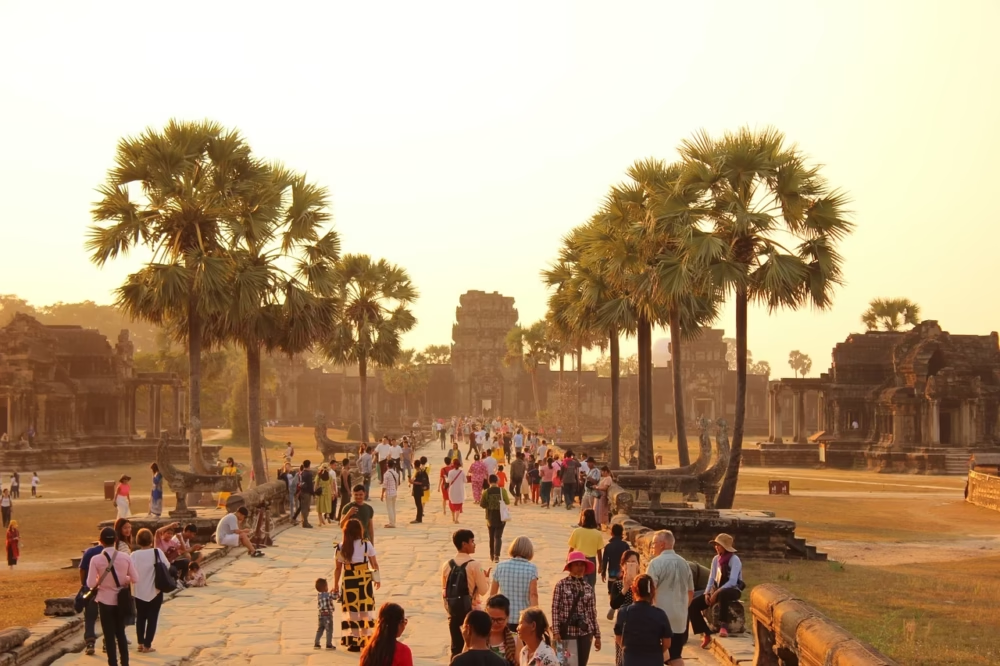
When one thinks of Cambodia, the iconic Angkor Wat often comes to mind. However, the country boasts a plethora of lesser-visited temples that hold equal historical significance and architectural marvels. While Angkor Wat is undoubtedly a must-visit, exploring Cambodia’s forgotten temples provides a unique and secluded experience, offering a glimpse into the rich cultural and historical tapestry of the region.
Historical Significance of Hidden Temples
Beyond the grandeur of Angkor Wat lies a network of hidden temples that played crucial roles in Cambodia’s history. One such temple is Beng Mealea, a sprawling jungle temple that predates Angkor Wat. Built in the 12th century, Beng Mealea offers a haunting beauty as tree roots intertwine with ancient stones, creating an enchanting atmosphere.
Preah Khan, another hidden gem, served as a monastic complex and a royal residence. Dating back to the 12th century, this temple is adorned with intricate carvings and is dedicated to King Jayavarman VII. Its historical significance lies in its role as a centre for education, spirituality, and governance during the Khmer Empire.
Architectural Marvels in Secluded Sanctuaries
While Angkor Wat showcases the Khmer architectural style, the forgotten temples present diverse architectural marvels. Koh Ker, for instance, boasts a pyramid-shaped temple, Prasat Thom, that stands as a testament to the ingenuity of Khmer builders. The remote location and towering structures provide a sense of awe and wonder, making it a hidden treasure for architectural enthusiasts.
Ta Prohm, although somewhat well-known for its appearances in movies, is often overshadowed by Angkor Wat. The temple is famous for the embrace of giant tree roots, creating a mesmerising interplay between nature and architecture. As you wander through the labyrinth of hallways, you’ll witness the delicate balance between the man-made and the natural world.
Tips for a Secluded Temple Exploration
For travellers seeking a more secluded experience beyond the bustling crowds at Angkor Wat, a few tips can enhance your temple exploration:
Venture Off the Beaten Path
Explore lesser-known temples by venturing off the beaten path. Hire a local guide who is familiar with the hidden gems, ensuring you discover the temples that are not frequented by large tour groups.
Opt for Early Mornings or Late Afternoons
Visit the temples in the early morning or late afternoon to avoid peak tourist hours. The soft sunlight during these times not only enhances the mystical ambiance but also provides excellent opportunities for photography.
Engage with Local Communities
Connect with local communities surrounding the temples. Not only will this enrich your cultural experience, but locals often have insights into hidden gems that may not be well-documented in guidebooks.
Respect the Sanctity of the Temples
Many forgotten temples are in remote locations and may not have the infrastructure seen at Angkor Wat. Be respectful of the historical sites, follow the designated paths, and avoid climbing on delicate structures.
Combine Adventure with Cultural Immersion
Consider incorporating your temple exploration with other adventures, such as hiking or biking, to reach more remote sites. This approach not only provides a sense of adventure but also allows you to immerse yourself in the picturesque landscapes surrounding the temples.
Off-the-Beaten-Path Adventures in Laos: Unveiling the Hidden Gem of Southeast Asia
Nestled in the heart of Southeast Asia, Laos remains a well-kept secret, often overshadowed by its more popular neighbours. This landlocked country is a haven for adventure enthusiasts seeking to explore untouched landscapes and discover hidden gems. As we peel back the layers of this underrated destination, we’ll shine a spotlight on Laos’ concealed waterfalls, mysterious caves, and serene landscapes, providing recommendations for those seeking a truly unique experience.
Discovering Hidden Waterfalls: Nature’s Best-Kept Secrets
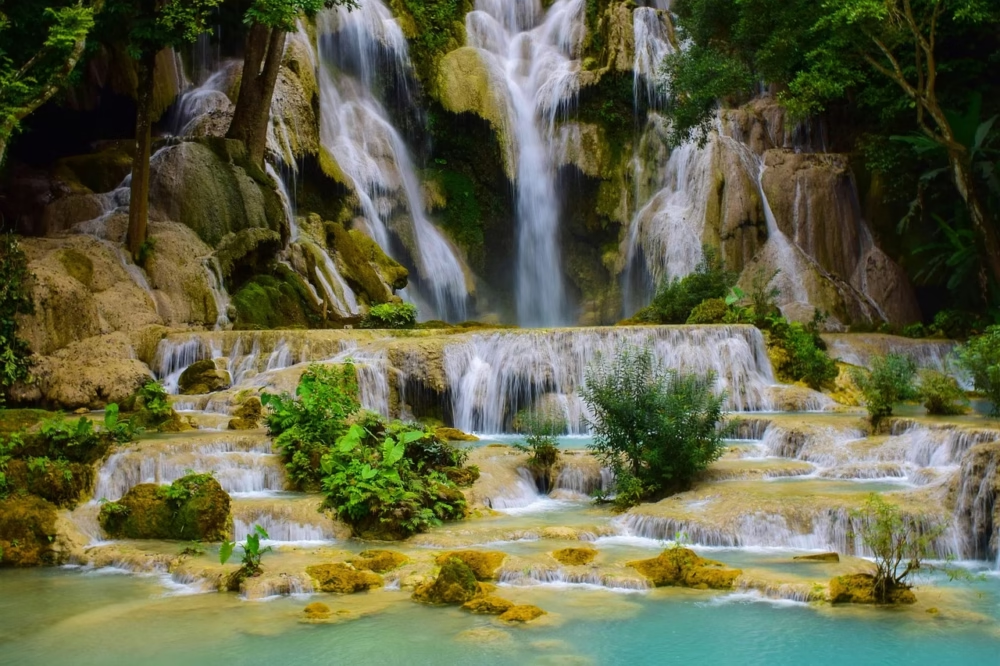
Laos is home to a plethora of breathtaking waterfalls, many of which remain hidden from the casual traveller’s eye. Venturing off the beaten path, you’ll find Kuang Si Falls, a multi-tiered cascade surrounded by lush greenery and turquoise pools. Unlike more popular waterfalls in neighbouring countries, Kuang Si offers a serene and unspoiled atmosphere, perfect for those seeking tranquillity.
For a more secluded experience, make your way to Tad Fane, tucked away in the Bolaven Plateau. This twin waterfall plunges dramatically into a dense jungle, creating an awe-inspiring spectacle. The journey to Tad Fane itself is an adventure, taking you through local villages and coffee plantations, providing a glimpse into the authentic Laotian way of life.
Journey into the Depths: Exploring Laos’ Mysterious Caves
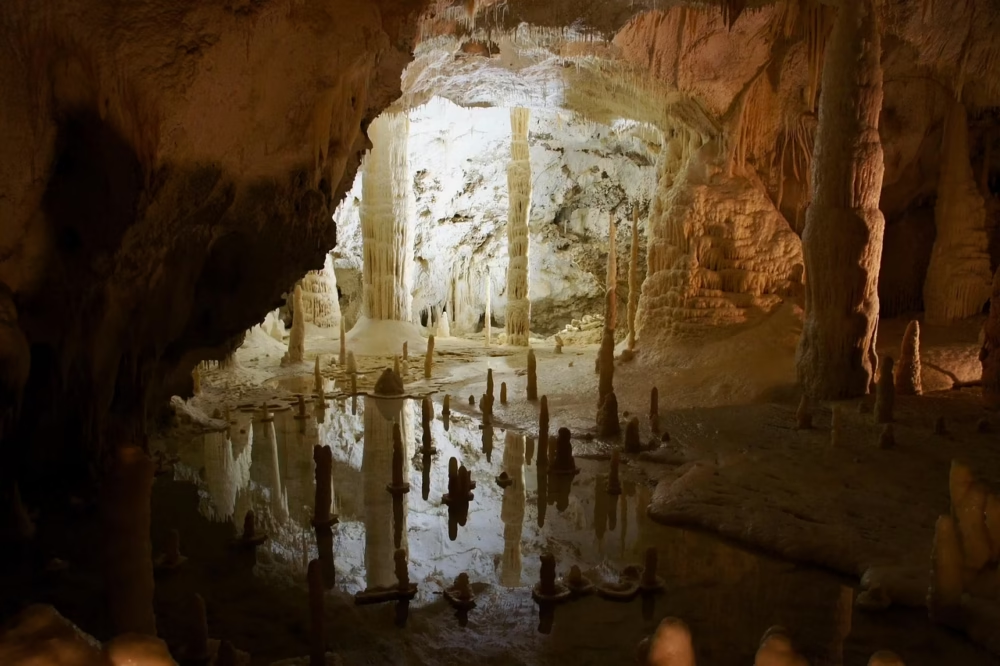
Laos boasts an extensive network of caves, with many yet to be fully explored. Tham Kong Lo, also known as the Kong Lor Cave, is a prime example of the country’s hidden wonders. Located in Phu Hin Bun National Park, this colossal limestone cave stretches for over 7 kilometres, creating an otherworldly subterranean landscape. Navigating through the cave’s dark waters by boat, you’ll be greeted by towering stalactites and stalagmites, unveiling the secrets of Earth’s geological history.
For a more offbeat cave experience, head to the Vieng Xai Caves in northeastern Laos. Used as hidden shelters during the Indochina War, these caves now stand as a testament to the resilience of the Laotian people. Exploring the caverns, you’ll come across remnants of a bygone era, including hidden rooms and secret passages, offering a unique blend of adventure and history.
Serene Landscapes: Embracing Laos’ Natural Beauty
Beyond waterfalls and caves, Laos’ landscapes are a canvas of serene beauty. Nong Khiaw, a quaint town nestled between towering limestone cliffs and the Nam Ou River, provides a tranquil escape from the hustle and bustle. Adventure enthusiasts can embark on hikes to witness panoramic views of the surrounding karst formations or take a boat ride along the river, immersing themselves in the untouched splendour of northern Laos.
Recommendations for the Adventurous Souls
For those seeking an authentic and off-the-beaten-path adventure in Laos, prioritise flexibility in your itinerary. Embrace the spontaneity of discovering hidden gems that may not be listed in conventional guidebooks. Engaging with local communities, hiring local guides, and choosing eco-friendly accommodation will not only enhance your experience but also contribute to the sustainable development of these untouched areas.
Myanmar’s Hidden Treasures: Unveiling the Emerging Tourism Scene
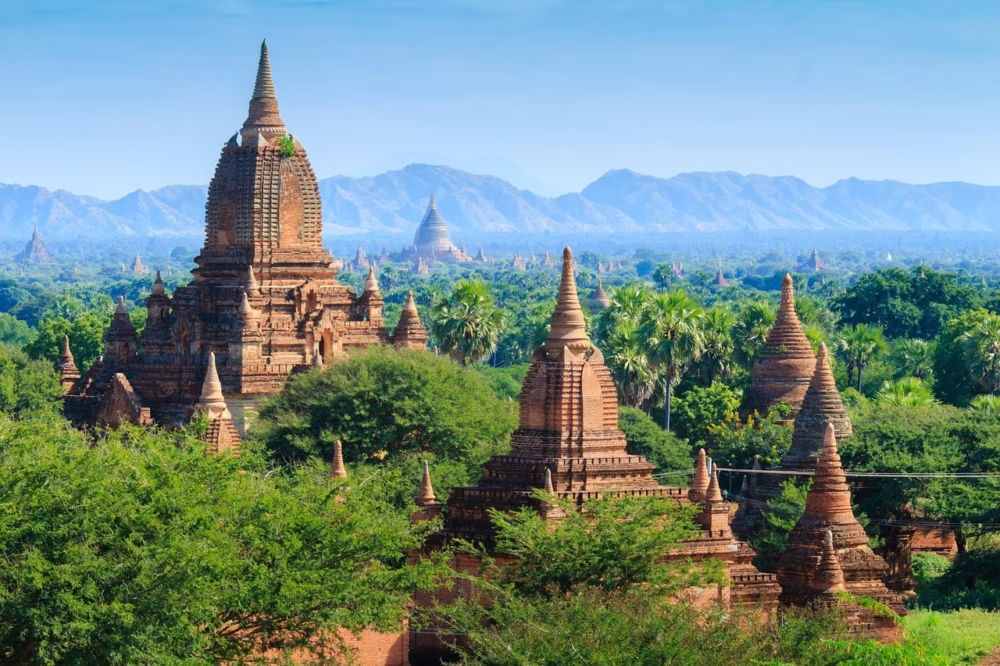
Myanmar, with its rich tapestry of culture and history, is rapidly emerging as a sought-after destination for intrepid travellers. While popular spots like Bagan and Yangon have long been on the tourist map, the true gems lie in the lesser-explored regions of Hpa-An and Mrauk U. This article will delve into the hidden treasures that Myanmar has to offer, highlighting cultural richness, ancient sites, and immersive local experiences.
Hpa-An: A Cultural Oasis
Nestled in the Karen State, Hpa-An is a cultural oasis waiting to be discovered. Its picturesque landscapes, characterised by limestone karst mountains and serene rivers, provide a backdrop for an authentic Myanmar experience. The town itself is steeped in tradition, boasting vibrant markets, traditional ceremonies, and friendly locals eager to share their heritage.
One of the highlights in Hpa-An is the Kyauk Ka Lat Pagoda, a unique Buddhist temple perched atop a limestone pinnacle. The panoramic views from this vantage point are simply breathtaking, making it an ideal spot for both cultural enthusiasts and photography aficionados. Exploring the Saddan Cave, a massive cavern adorned with ancient Buddha statues and impressive rock formations, adds a touch of mystique to the cultural journey in Hpa-An.
Mrauk U: Time-Travelling Through Ancient Ruins
For those seeking a journey back in time, Mrauk U stands as a testament to Myanmar’s rich history. Tucked away in the Rakhine State, this archaeological wonder boasts an array of ancient temples and ruins, rivalling the grandeur of Bagan. The unique fusion of Buddhist and Mrauk-style architecture sets Mrauk U apart as a hidden gem for history enthusiasts.
The Sittaung Temple, renowned for its labyrinthine passageways and intricate stone carvings, is a must-visit. As the sun sets over the temples, the atmosphere becomes truly enchanting, creating a surreal experience that transports visitors to a bygone era. For a deeper understanding of the region’s history, explore the Kothaung Temple, also known as the Temple of 90,000 Buddha Images.
Unlocking Local Experiences: Myanmar’s Authentic Charm
Myanmar’s allure lies not only in its historical sites but also in the authentic charm of its people and their way of life. Engaging with local communities is a vital aspect of any meaningful travel experience, and Myanmar offers ample opportunities for such interactions.
The Enigmatic Beauty of East Timor
Southeast Asia is a treasure trove of hidden gems, and nestled among the more well-known destinations lies East Timor, one of the region’s least-visited countries. Often overlooked by mainstream tourism, this small nation offers a unique blend of unspoiled natural beauty, rich cultural heritage, and a sense of authenticity that is increasingly rare in today’s world.
Unspoiled Beaches: Nature’s Masterpiece
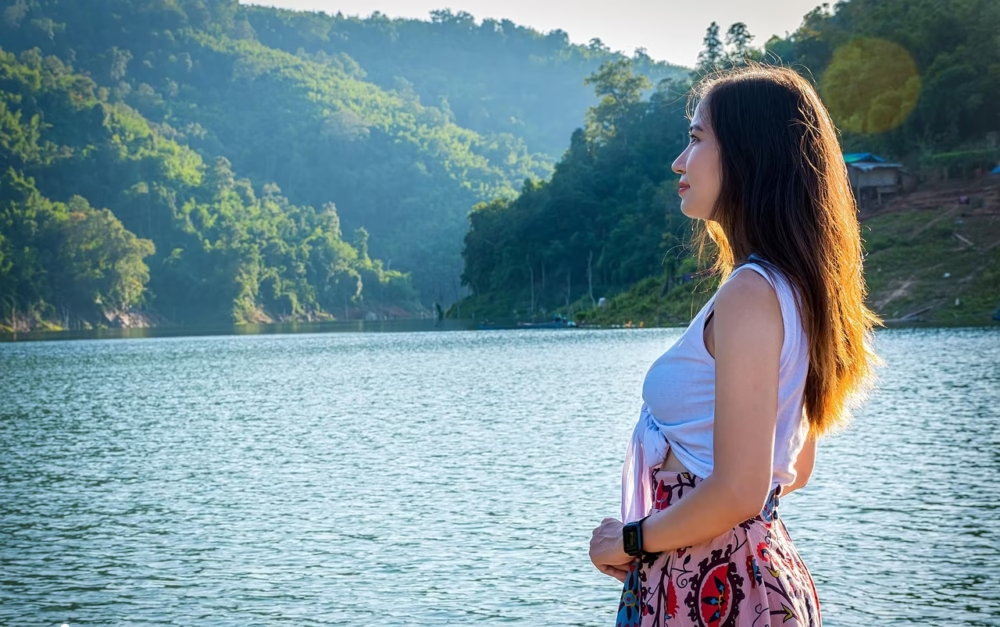
One of East Timor’s best-kept secrets is its pristine, unspoiled beaches. The coastline stretches for miles, featuring powdery white sands and crystal-clear waters that remain largely untouched by the footprints of mass tourism. At places like Jaco Island, visitors can experience a secluded paradise surrounded by lush greenery and the soothing sounds of gentle waves. The untouched beauty of these beaches provides a rare opportunity to connect with nature in a serene and undisturbed setting.
Diverse Marine Life: A Snorkeler’s Delight
Beneath the surface of East Timor’s azure waters lies a vibrant and diverse marine ecosystem. The country is a haven for snorkelers and divers, offering a kaleidoscope of coral reefs, colourful fish, and other marine creatures. The biodiversity of the underwater world is astounding, making it a paradise for those who revel in exploring the mysteries of the deep.
Cultural Authenticity: A Glimpse into Timorese Heritage
East Timor’s cultural authenticity is another captivating aspect that sets it apart from more tourist-laden destinations. The country’s rich history, influenced by Portuguese and Indonesian cultures, is reflected in its architecture, traditional dances, and local customs. Visitors have the opportunity to witness age-old traditions that have been passed down through generations, providing a genuine glimpse into the heart and soul of Timorese heritage.
Responsible Tourism: Preserving the Jewel
As East Timor welcomes a limited number of visitors, responsible tourism becomes crucial for preserving its natural beauty and cultural heritage. Travellers can contribute to the conservation efforts by choosing eco-friendly accommodations, supporting local businesses, and respecting the environment. Participating in community-based tourism initiatives ensures that the economic benefits of tourism reach the local population directly.
Frequently Asked Questions (FAQs)
Is it safe to explore these hidden gems?
Southeast Asia’s hidden gems are generally safe for travellers. However, it’s crucial to stay informed about local guidelines and take necessary precautions.
How can I reach the Mergui Archipelago?
Access to the Mergui Archipelago is primarily by boat. Liveaboards and organised tours offer the best means to explore these pristine islands.
Are there accommodations in the hidden villages near Inle Lake?
Yes, some hidden villages around Inle Lake offer basic accommodations for travellers seeking an immersive experience in local culture.
What is the best time to visit Ha Giang, Vietnam?
The best time to visit Ha Giang is during the spring (March to April) and autumn (September to November) when the weather is pleasant and the landscapes are at their most vibrant.
Are there guided tours for exploring the hidden temples of Bagan?
Yes, several guided tours cater to travellers interested in exploring the hidden temples of Bagan. These tours provide insights into the history and significance of these lesser-known architectural wonders.
Can I find vegetarian food in Luang Prabang?
Yes, Luang Prabang offers a variety of vegetarian options. The town’s night market is a great place to explore local vegetarian dishes.
Conclusion
Embark on a journey of discovery as you uncover the Hidden Gems of Southeast Asia. From secluded beaches to ancient temples, each destination narrates a unique story waiting to be explored. Embrace the magic of these off-the-beaten-path treasures, and let Southeast Asia unfold its hidden beauty before your eyes.