Traveling with three (or even four) generations under one itinerary is one of the most rewarding — and trickiest — kinds of travel to plan. You’re balancing a toddler’s nap schedule, a teenager’s need for independence, a working parent’s limited vacation days, and a grandparent’s mobility or comfort needs, all while trying to create shared memories everyone will actually enjoy. Done well, though, a multi-generational family trip ideas becomes the kind of vacation people talk about for years.
This guide covers how to choose the right destination, structure the trip, manage logistics, and pick activities that genuinely work for every age group.
Why Multi-Generational Travel Is Booming
Multi-generational trips — often shortened to “multigen travel” — have become one of the fastest-growing segments in the travel industry. A few forces are driving this:
- Time scarcity. Adult children with careers and kids of their own often can’t visit grandparents as often as they’d like, so combining a visit with a vacation maximizes limited time together.
- Aging parents. As parents and grandparents get older, families want to create memories together while everyone is healthy enough to travel.
- Shared costs, shared logistics. Splitting the cost of a big villa or family suite, plus having built-in babysitters (grandparents) and chore-sharing (adult children), makes trips more affordable and less exhausting for everyone.
- Post-pandemic reprioritization. Many families emerged from the pandemic years with a renewed sense that time together shouldn’t be postponed.
Step 1: Set the Trip’s Priorities Before You Pick a Destination
Before browsing destinations, get the family (or at least the key decision-makers) aligned on a few questions:
- What’s the primary goal? Relaxation, adventure, cultural immersion, or simply “everyone in one place”?
- What’s the budget, and who’s paying for what? Some families split everything evenly; others have grandparents cover lodging while adult children cover flights, or vice versa. Decide early to avoid awkwardness later.
- How much togetherness vs. independence does the group want? Some families want every meal together; others want a home base with flexibility to split off into smaller groups during the day.
- What are the constraints? School schedules, work vacation days, mobility limitations, medical needs, passport/visa status, and budget ceilings all narrow the field quickly.
Getting this alignment first prevents the common trap of picking a beautiful destination that turns out to be logistically wrong for the group.
Step 2: Choosing the Right Type of Destination
Home Base Destinations (Recommended for First-Timers)
A single home base — a large vacation rental, resort, or lake house — is often the easiest format for multigen trips. Everyone sleeps under one roof (or close by), shares communal meals, and can opt in or out of group activities without derailing anyone else’s day.
Best for: Families traveling with very young children or grandparents with limited mobility, or anyone doing this for the first time.

Ideas:
- A large lakefront or beach house rental (VRBO/Airbnb-style) with multiple bedrooms and a shared kitchen
- An all-inclusive resort with kids’ clubs, spa services, and multiple dining options so everyone can self-select their pace
- A ranch or farm stay with horseback riding, open space for kids to run, and quiet porches for grandparents
- A national park lodge (in the U.S., places like Yellowstone or Glacier) that offers easy nature access without requiring everyone to hike all day
Cruises
Cruises are consistently one of the top picks for multigen travel because they solve the “everyone wants something different” problem elegantly: kids’ clubs and teen lounges keep younger travelers entertained, adults can explore ports or relax by the pool, and grandparents get comfortable cabins, elevators instead of stairs, and structured dining without having to cook or drive anywhere.
Best for: Large families (6+ people), families with a wide age range, or anyone who wants minimal daily logistics.
Considerations: Book connecting or nearby cabins early, as multigen cruise bookings fill up fast, especially around holidays.
Guided or Semi-Guided Tours
Escorted tours (river cruises, small-group tours, or family-specific tour packages) remove the burden of planning logistics — transportation, reservations, translation — from whoever would otherwise be the “family trip planner.” Many tour companies now offer family-specific itineraries with age-appropriate side activities.
Best for: International trips, especially to destinations with a language barrier or complex logistics (e.g., safaris, Italy, Japan).
Road Trips
A classic road trip with multiple generations works well for shorter distances and adds flexibility — stop when someone needs a break, adjust the route on the fly, and avoid airport stress with strollers, wheelchairs, or car seats.
Best for: Regional trips (under a 1-day drive), families who want to see multiple destinations, or budget-conscious groups.
Step 3: Destination Ideas by Theme
Beach & Relaxation
- Outer Banks, North Carolina — wide beaches, house rentals with elevators, easy pace
- Algarve, Portugal — calm coves, affordable villas, short flights from much of Europe
- Riviera Maya, Mexico — all-inclusive resorts with kids’ clubs and spas
- Gold Coast, Australia — beaches plus theme parks for a mix of relaxation and excitement
National Parks & Nature
- Yellowstone/Grand Teton, USA — lodges with varying accessibility, wildlife viewing from the car for those with mobility issues, hiking for the more adventurous
- Banff, Canada — stunning scenery accessible by gondola and scenic drives, not just hiking
- Costa Rica — eco-lodges, wildlife tours, and adventure activities (zip-lining, rafting) for the younger set alongside gentler nature walks for older relatives
Culture & Cities
- Rome & the Amalfi Coast, Italy — history for grandparents, food for everyone, and enough walking variety to accommodate different energy levels
- Kyoto, Japan — temples, gardens, and excellent accessibility infrastructure
- Edinburgh & the Scottish Highlands — castles, walkable Old Town, and scenic countryside day trips
Theme Parks & Big Adventure
- Orlando, Florida — Disney and Universal both offer robust accessibility services, stroller and wheelchair rentals, and rest areas throughout
- Legoland destinations worldwide — built for a wide age range, from toddlers to grandparents who enjoy watching the fun
All-in-One Resorts
- Club Med and similar family resorts — structured kids’ clubs, adult-only zones, and communal dining halls that make coordinating meals effortless
Step 4: Structuring the Itinerary
Build in “Opt-In” Activities, Not Mandatory Ones
The single biggest mistake in multigen trip planning is assuming everyone wants to do everything together. Instead:
- Plan 1–2 full-group activities per day (a shared dinner, a group excursion) and leave the rest of the day open.
- Offer parallel tracks — for example, grandparents and toddlers do a slow morning at the pool while teens and parents go zip-lining, then everyone reunites for dinner.
- Build in rest days with no plans at all, especially every 3–4 days on longer trips.
Respect Different Paces
- Avoid packing the itinerary so tightly that there’s no downtime — young kids and older relatives both tend to need more rest than the “average” adult traveler.
- Schedule demanding activities (long hikes, early excursions) earlier in the trip before fatigue sets in, and lighter activities toward the end.
- Consider a mid-trip “buffer day” with zero commitments to absorb jet lag, weather changes, or simply exhaustion.
Plan Meals Thoughtfully
- Book accommodations with a kitchen or kitchenette when possible — cooking even a few meals in saves money and avoids restaurant fatigue with young kids or picky eaters.
- For special dinners out, choose family-friendly restaurants with flexible seating and menus that can accommodate dietary restrictions across generations.
- Assign meal-planning or cooking duties to different family members or sub-groups to distribute the workload.

Step 5: Logistics That Make or Break the Trip
Accessibility and Mobility
- Ask directly about mobility needs rather than assuming — not all grandparents have the same physical capacity, and not all need the same accommodations.
- Look for accommodations with elevators, ground-floor rooms, or minimal stairs.
- Research accessible transportation options at the destination (accessible taxis, rental van options, cruise ship elevators).
- Build extra time into transitions (airport connections, check-ins) so no one feels rushed.
Travel Documents and Health
- Confirm passport expiration dates for international trips well in advance — many countries require 6 months of validity remaining.
- Pack a shared folder (physical or digital) with copies of everyone’s ID, insurance information, and emergency contacts.
- Research medical facilities near the destination, and make sure anyone with prescriptions has enough medication (plus a doctor’s note if traveling internationally with medication).
- Consider travel insurance that covers trip cancellation and medical emergencies — especially important with older travelers or young children in the group.

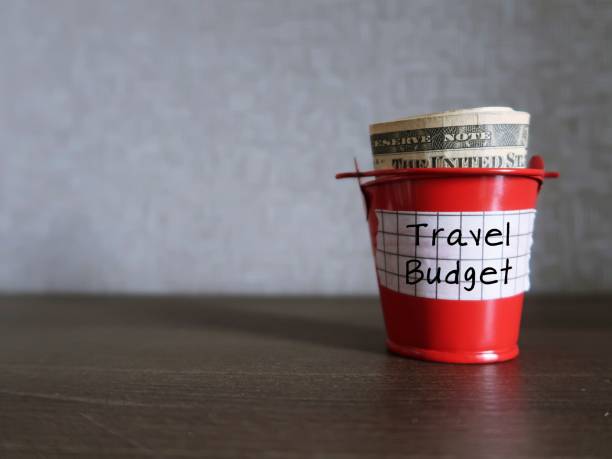
Budgeting and Payment
- Decide upfront: is this a “everyone pays their own way,” “split evenly,” or “one generation treats” trip? Miscommunication here is one of the most common sources of family trip stress.
- Use a shared expense-tracking app (like Splitwise) for trips where costs will be divided.
- Set a group budget range early so destination and activity choices don’t create sticker shock for some family members.
Communication
- Create a shared group chat or trip-planning doc before departure to coordinate flights, preferences, and questions.
- Assign one person (or rotate) as the “point person” for each day’s logistics to avoid decision paralysis.
- Have a backup plan for weather or unexpected changes, and communicate it early rather than improvising on the fly.
Step 6: Packing and Prep Tips
- Pack a shared “family kit” with basics everyone might need: sunscreen, first-aid supplies, snacks, wipes, and a portable charger.
- Bring entertainment for transit — cards, travel games, tablets loaded with shows — to smooth over flights, drives, or waiting periods that span all ages.
- Label luggage clearly, especially with a large group where bags can get mixed up.
- Pack layers since comfort needs vary widely — a resort pool that’s perfect for kids might be too cool for grandparents, and vice versa for an air-conditioned excursion bus.
Sample 7-Day Multi-Generational Itinerary (Home Base Model)
| Day | Activity |
|---|---|
| 1 | Arrival, settle into rental home/resort, casual welcome dinner |
| 2 | Group activity in the morning (e.g., boat tour, city walk); free afternoon |
| 3 | Split-track day: adventure activity for some, relaxed sightseeing for others; reunite for dinner |
| 4 | Full rest day — pool, beach, or porch time, no scheduled plans |
| 5 | Group excursion or day trip to a nearby attraction |
| 6 | Free day with optional activities; special celebratory dinner out |
| 7 | Slow morning, packing, departure |
This kind of loose structure — anchor activities balanced with plenty of unscheduled time — tends to work across nearly every destination type and family composition.
Final Thoughts
The best multi-generational trips aren’t the ones with the most activities packed in — they’re the ones where everyone, from toddlers to grandparents, gets to travel at their own pace while still sharing real moments. Prioritize clear communication before you book, choose a destination and format that matches your group’s mobility and energy levels, and build in more downtime than you think you need. The photos and stories that come out of a well-planned multigen trip tend to become family lore for decades — which is exactly the point.